
Driving After a Parkinson’s Diagnosis — Your Options & Support

Helping you stay safe, confident and in control behind the wheel in Tunbridge Wells.
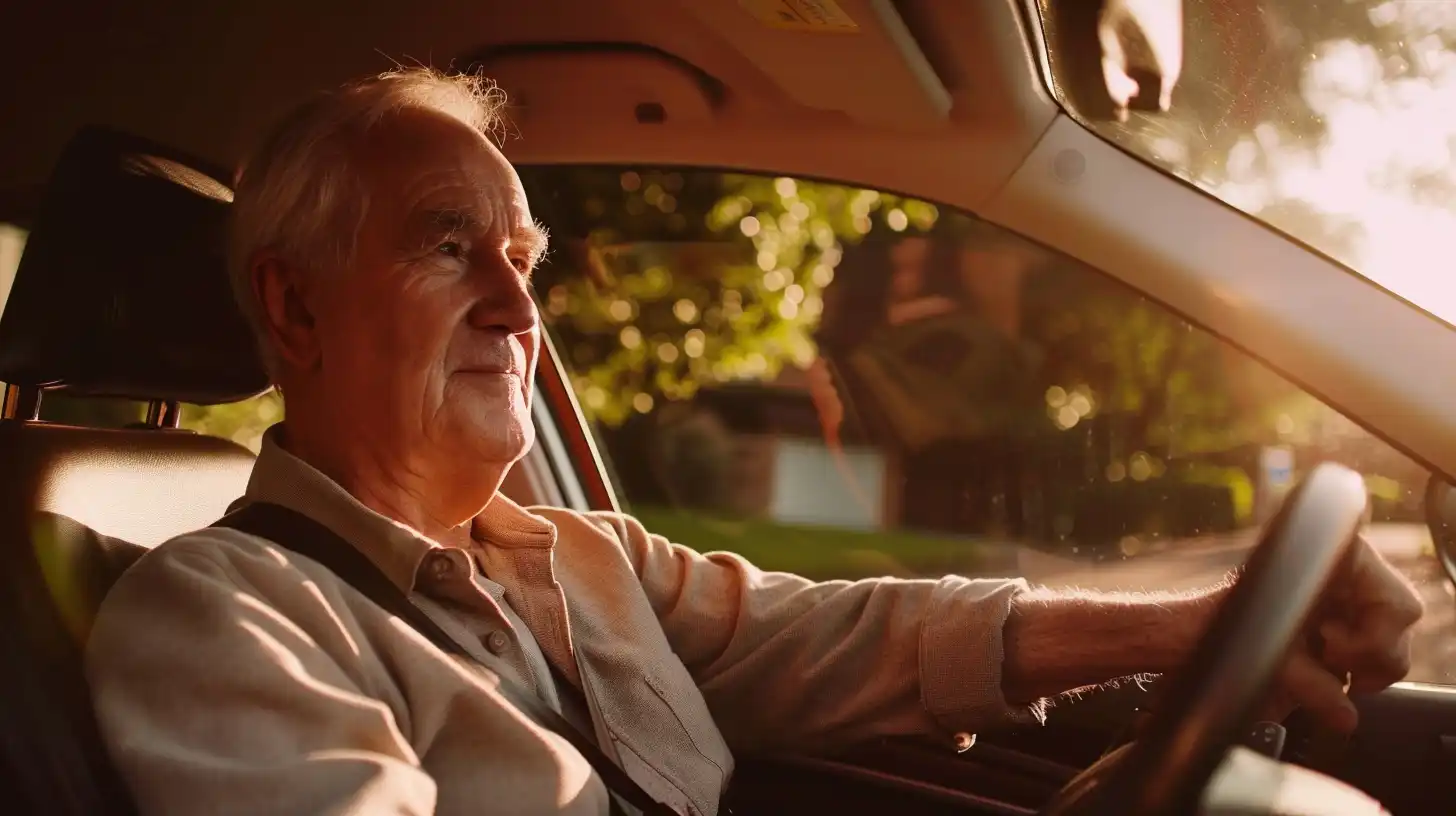
Being diagnosed with Parkinson’s disease can bring many changes — and one of the biggest for many people is thinking about whether you can continue driving. The good news: driving is still possible for many people with Parkinson’s — but you’ll need support, preparation, and an understanding of what’s required.
At AutoCoach, I offer driving instruction that combines practical skills, confidence-building and tailored support for drivers with medical or neurological changes.
✅ What you need to tell the Driver & Vehicle Licensing Agency (DVLA)
When you are diagnosed with Parkinson’s, the law in the UK says you must inform the DVLA. UHCW+3GOV.UK+3Parkinson’s UK+3
Failing to let them know if your condition could affect your driving ability could result in a fine. LMP Legal
Being registered with the DVLA does not automatically mean you cannot drive — it means they’ll assess whether you can safely continue, possibly with conditions or a shorter-term licence. insidedvla.blog.gov.uk+1
🧭 What changes can Parkinson’s bring to your driving?
Some of the ways Parkinson’s may affect driving are:
-
Slower reactions, or difficulty initiating movement Driving Mobility+1
-
Tremor, stiffness or coordination problems with controls
-
Fatigue or concentration issues
-
Greater difficulty with complex driving tasks (junctions, roundabouts, hazard perception)
-
Increased anxiety about driving and reduced confidence
Because of these, it’s wise to prepare well — not just know your car, but refresh confidence, awareness and control.
🚘 How to prepare and what help is available
1. Medical / Licensing side
-
Notify DVLA and your insurance company of your diagnosis. nhs.uk+1
-
You may be asked for a medical report from your GP or specialist, or even a driving assessment. Parkinson’s UK+1
-
Assess whether your driving licence might come with conditions (e.g., only automatic car, annual review). insidedvla.blog.gov.uk
2. Practical driving support with AutoCoach
With AutoCoach I provide lessons that specifically help drivers with Parkinson’s by:
-
Focusing on automatic transmission (if that’s easier)
-
Working on confidence behind the wheel in a calm, non-pressured way
-
Covering awareness, observation and decision-making — not just the controls
-
Helping with strategies around fatigue, timing of medication and planning shorter, manageable drives
-
Offering psychological support: addressing nerves, building small-win habits, gradual exposure
3. Adaptive vehicle & driving style
-
Switching to automatic transmission may help if manual gear changes are difficult PMC
-
Adjusting driving to best time of day when symptoms/medication are optimal
-
Keeping trips short and in familiar areas, avoiding high-stress routes if possible
-
Regular exercises or physical strategies to maintain flexibility and control
🤝 Why confidence & mental side matter just as much as driving skills
When facing a condition like Parkinson’s, it’s natural to worry about driving ability, independence and safety. That anxiety itself can affect your driving (hesitation, over-caution, distraction). That’s why at AutoCoach I emphasise:
-
Calm, structured lessons rather than high-pressure test style
-
Building trust in yourself behind the wheel
-
Managing awareness and decision making even if your physical function is changing
-
Preparing you emotionally and practically for whatever the DVLA or assessment might require
📅 What to expect from a tailored refresher session with AutoCoach
-
A review of your driving experience, current concerns and goals
-
Short lesson in an automatic car (if applicable) focusing on key skills for safety and confidence
-
Practice of real-world driving situations with reduced pressure
-
Strategy session: planning driving when you feel best, how to handle fatigue or symptoms
-
Review of what an assessment may involve (if you’re required by DVLA)
-
Support for staying safe and independent as long as you can, and planning ahead if changes do come
🔍 Important things to know
-
Having Parkinson’s does not immediately mean you cannot drive. Many people continue driving safely for years. PMC+1
-
You may be asked for periodic reviews and your licence may be for a shorter duration or have conditions. insidedvla.blog.gov.uk
-
Being honest with DVLA and your insurer is crucial. Non-disclosure can result in fines or invalidation of your insurance. Age UK
🤔 Questions to ask yourself
-
When is my “best time” to drive (after medication, low symptom time)?
-
Would automatic car help me?
-
Are there routes or types of driving I avoid because I feel less confident or slower?
-
How do I feel about fatigue / multi-tasking behind the wheel now?
-
What support do I need (physical adaptation, confidence coaching, familiar routes)?
🚗 Local Support for Drivers With Parkinson’s
If you’re in Tunbridge Wells or the surrounding area and have been diagnosed with Parkinson’s — or you’ve been asked to take a DVLA medical driving review — I provide calm, supportive refresher sessions to help you feel confident and safe on the road.
I work with drivers across:
-
Tunbridge Wells
-
Crowborough
-
Uckfield
-
Heathfield
-
Wadhurst
-
Mayfield
-
Rotherfield
-
Frant
-
East Sussex & Kent border areas
Lessons take place in a comfortable automatic vehicle, with a focus on real-world confidence, clear guidance, and patient support.
🏁 Ready to build driving confidence?
If you’ve been diagnosed with Parkinson’s (or suspect it’s affecting your driving) and want practical, confidence-based driving lessons to help you stay safe, comfortable and independent — I’m here to help.
Let’s work together so you feel calm, capable and ready behind the wheel again.